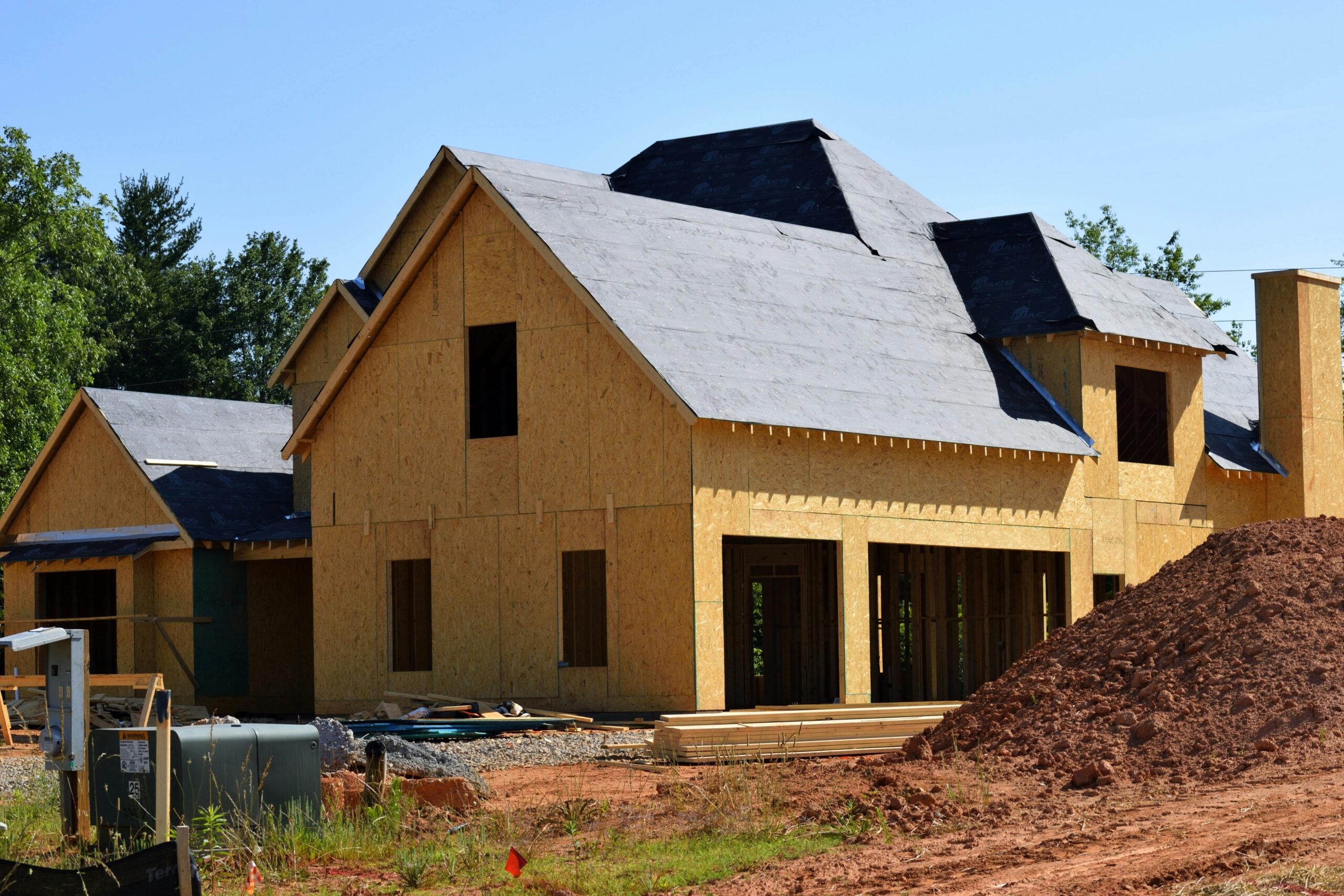
Building your dream home in South Africa is an exciting milestone. As someone who has helped friends and clients navigate this journey, I understand how rewarding yet daunting the process can be. The key to a smooth experience is understanding the costs involved and preparing for potential challenges. Let me guide you through what it really takes to build your home in 2025.
Breaking Down the Costs
One of the first questions I often hear is, “How much will it cost?” This varies widely depending on your choices. For a standard home, you’re looking at R8,000 to R15,000 per square meter, while luxury builds start at R20,000+ per square meter. For context, a modest 150m² house could cost between R1.2 million and R2.25 million, depending on your finishes and location.
When I built my first home, I quickly learned how the finer details—like imported tiles versus locally sourced options—can tip the scales. The good news? With the right planning, you can still stay within your budget.
What Influences the Price?
Here are a few factors to consider:
- Location: Coastal cities like Durban or Cape Town often come with higher labour and material costs. If your plot is on uneven ground, site preparation can add tens of thousands to your bill.
- Design Choices: Customizing every nook of your home is thrilling, but complex designs often require more specialized (and costly) labour.
- Materials: I’ve seen many clients blown away by the price difference between imported versus local materials. Opting for South African-made options not only saves money but also supports local businesses.
- Labour: Skilled tradespeople, like plumbers or electricians, charge premium rates—understandably, since their work forms the backbone of your home.
Hidden Costs I Wish I Knew About
During your building experience, unexpected expenses can crop up. Some of these include:
- Municipal Fees: Plan approvals and permits cost around R20,000–R50,000, depending on your area.
- Landscaping: A simple garden setup could set you back R10,000–R50,000, but it’s worth the investment for a livable outdoor space.
- Utilities: Connecting your home to water, electricity, and sewage systems is essential but not always included in quotes.
These costs are often overlooked in the excitement of planning your dream home, so I always advise budgeting an extra 10–15% for surprises.
Lessons from Experience: Cost-Saving Tips
Here’s how I—and many others—managed to stretch every rand:
- Keep It Simple: While sprawling layouts and intricate rooflines look stunning, they come with hefty costs. Opt for a functional, efficient design.
- Shop Smart: Visit local suppliers and compare prices. I once saved R10,000 just by sourcing tiles from a smaller vendor.
- DIY Where Possible: Painting walls or installing basic fittings can be surprisingly fun and cost-effective if you’re up for it.
- Think Long-Term: Investing in solar panels or energy-efficient windows might seem costly upfront but pays off in reduced utility bills.
Is Building Cheaper Than Buying?
This is a question I’ve debated with countless clients. If you already own land and have a clear vision, building can be cheaper. For instance, custom homes allow you to control where you splurge and save. However, buying a completed house is faster and comes with fewer decisions to make.
When I weighed my options, building was the clear winner—I got exactly what I wanted without compromising on quality or style.
Final Thoughts
Building a home in South Africa is as much a personal journey as it is a financial commitment. By understanding the costs, planning meticulously, and embracing the challenges, you’ll end up with more than just a house—you’ll create a space that feels truly yours.
If you’re about to embark on this exciting journey, reach out to our team. With the right team and preparation, your dream home is closer than you think!
What part of building excites (or terrifies) you the most? Share your thoughts—I’d love to hear about your journey.

Leave a Reply